


20 Dec The One Thing Pros Won’t Compromise On (And Neither Should You)
Professionals disagree on plenty of things, techniques, workflows, materials, timing. But there’s one thing they absolutely refuse to compromise on: the quality of their tools.
Not the brand. Not the trend. The quality.
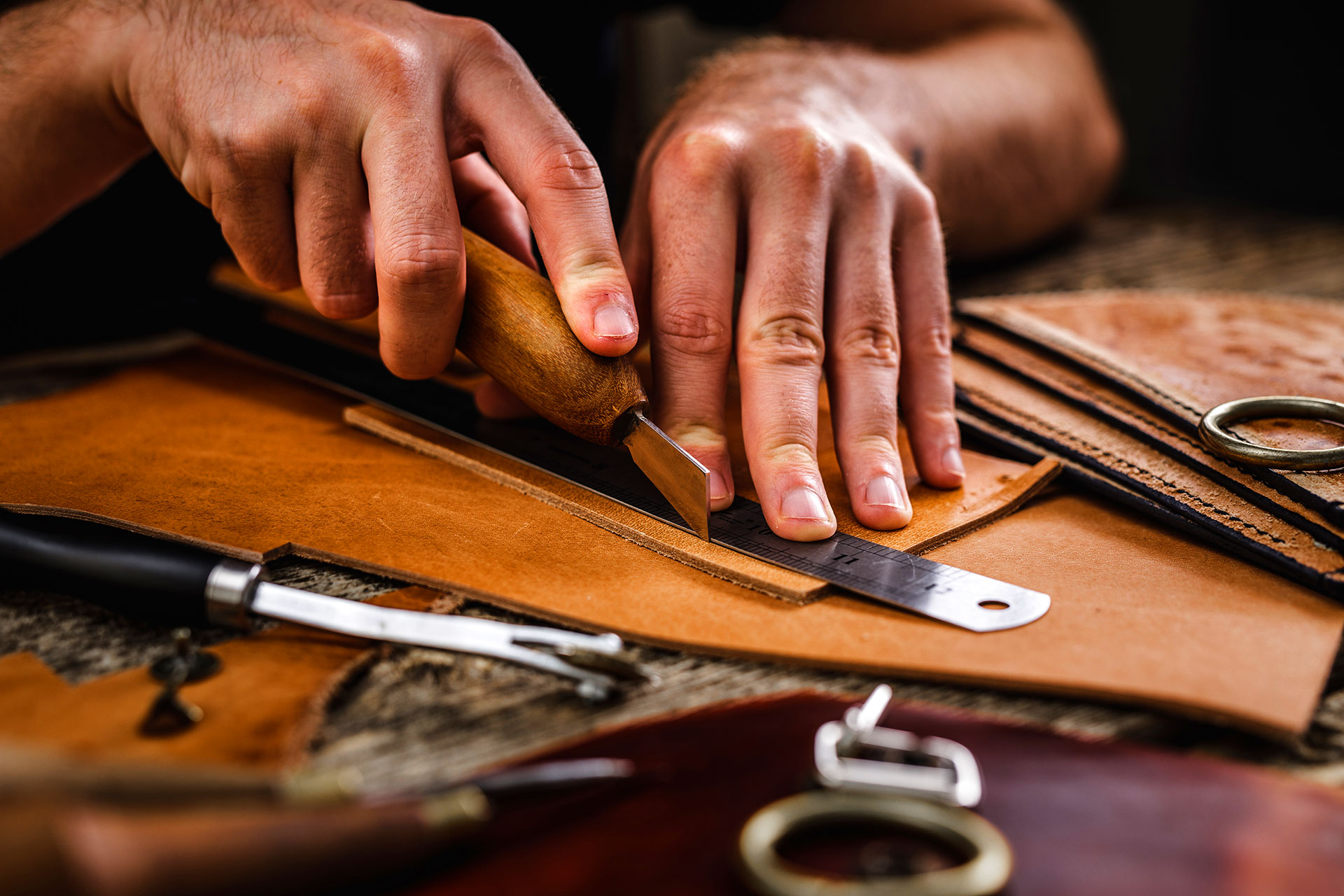
Pros know that tools shape the work long before their hands do. A great tool elevates skill. A bad one limits it. And nothing, no amount of talent, effort, or passion, can overcome a tool that simply isn’t built well enough to keep up.
Quality Tools Aren’t a Luxury. They’re Oxygen
People sometimes think professionals choose premium tools because they’re fancy or traditional. But it’s simpler than that: good tools let them work without fighting the equipment.
A quality tool:
- Stays sharp longer than it stays pretty
- Moves with you instead of against you
- Reduces strain and increases control
- Reacts predictably across different materials
- Becomes more reliable with every use
Professionals depend on consistency. Cheap tools offer the opposite.
The Right Tool Makes You Better Without Trying
Using a well-made tool feels like removing a weight you didn’t know you were carrying. Suddenly, cuts glide. Stitches line up. Edges behave. Your hand relaxes. Your breathing evens out.
There’s a quiet moment, every craftsman knows it, when you realize the tool isn’t just performing; it’s partnering with you. That’s what professionals refuse to give up. Not perfection, cooperation.
Cheap Tools Are “Good Enough” Until They Aren’t
A cheap tool can get the job done once. Maybe twice. Then it dulls, warps, loosens, chips, or simply stops performing with the precision you need.
When that happens, you don’t just replace the tool. You replace the results it could have produced.
Cheap tools cost:
- Money
- Time
- Accuracy
- Craftsmanship
- Reputation
The price tag might be lower, but the true cost is always higher.
Pros Compromise on Many Things? Tools Aren’t One of Them
Professionals will adjust their schedule, adapt their technique, even change an entire workflow if the project demands it. But compromise on tool quality? Never.
Why? Because tools set the ceiling for what’s possible. A great tool expands your potential. A poor tool puts a lid on it. If the pros protect that boundary fiercely, maybe the rest of us should too.