


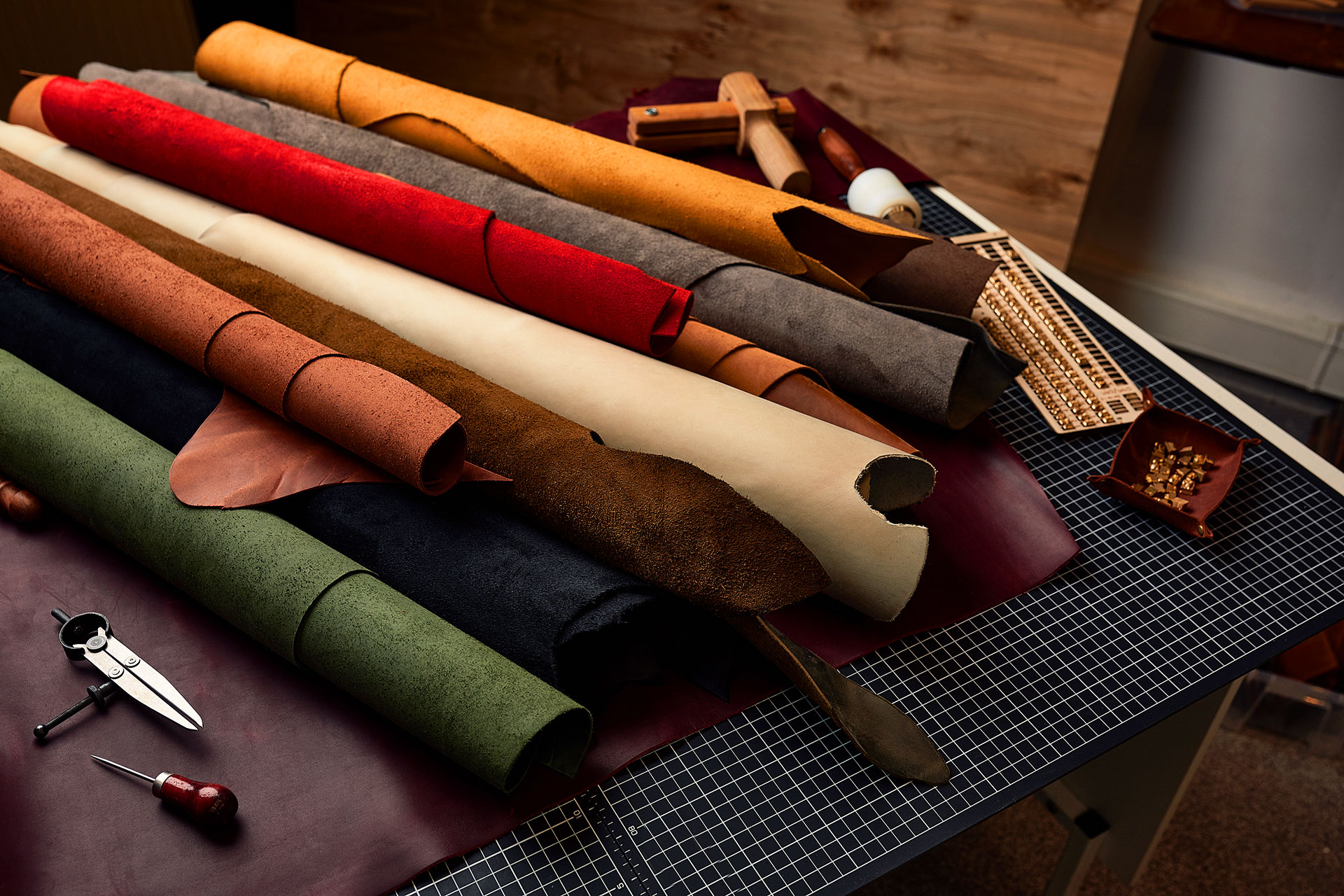
06 May Essential Leather Working Tools Every Crafter Needs to Master the Art
Whether you’re drawn to the timeless craft of leatherworking as a creative outlet or looking to start a profitable side business, having the right tools can make the difference between amateur results and stunning professional pieces. The leather working tools you choose will directly impact the quality of your finished products, from simple wallets to intricate saddles. Understanding which tools are essential, which ones can wait, and how to use them properly will set you on the path to mastering this ancient craft.
Essential Leather Working Tools for Beginners
Starting your leather crafting journey doesn’t require breaking the bank on every tool available. Focus first on acquiring quality versions of these fundamental tools that you’ll use in nearly every project.
Cutting Tools
A sharp rotary cutter or round knife serves as your primary cutting tool, allowing you to make clean, precise cuts through various leather thicknesses. Pair this with a steel ruler and self-healing cutting mat to protect your work surface and ensure straight lines. Many beginners make the mistake of using regular scissors or craft knives, but these often compress the leather edges rather than slicing cleanly through.
Marking and Measuring Tools
Precision in leatherwork starts with accurate measurements. A wing divider helps you mark consistent stitch lines parallel to edges, while an awl creates precise hole markings for stitching or hardware placement. Don’t overlook the importance of a good square; keeping your angles true prevents crooked seams and misaligned pieces.
Basic Stitching Equipment
Hand-stitching leather requires specialized needles and thread. Leather needles have blunt tips to prevent splitting the material, while waxed thread provides strength and water resistance. Diamond-shaped stitching chisels create uniform holes that give your work that coveted professional appearance. Many crafters struggle with uneven stitching and wonder why their projects don’t achieve that polished, professional look. The answer often lies in using proper stitching tools and techniques from the start.
Intermediate Leather Working Tools to Expand Your Capabilities
Once you’ve mastered the basics, these intermediate tools will help you tackle more complex projects and add refined details to your work.
Edge Tools and Burnishers
Edge bevelers remove sharp corners from cut leather, creating comfortable, professional-looking edges. Follow up with edge burnishers, typically made from wood or canvas, to compress and polish edges to a glossy finish. This attention to edge treatment separates hobby-level work from professional-grade pieces.
Skiving Tools
A skiving knife thins leather edges where pieces overlap, preventing bulky seams. This tool becomes essential when creating wallets, where multiple layers stack together, or when working with thicker leathers that need graduated edges for folding.
Pro Tip: Invest in quality steel tools rather than cheaper alloys. High-carbon steel holds an edge longer and can be resharpened repeatedly, making it more economical over time.
Advanced and Specialized Leather Working Tools
These specialized tools enable advanced techniques and decorative work that set master craftsmen apart from beginners.
Stamping and Carving Tools
Leather stamps create decorative impressions ranging from simple geometric patterns to elaborate Western designs. Swivel knives allow freehand carving for custom artwork, while bevelers and modeling tools add dimension to carved designs. Building a stamp collection takes time, so start with versatile geometric shapes and borders.
Hardware Setting Tools
Professional-looking bags, belts, and accessories require proper hardware installation. Rivet setters, snap setters, and grommet tools ensure secure, centered placement of functional hardware. A quality anvil or steel block provides the solid backing necessary for setting hardware without damaging your work surface.
Tool Maintenance and Care
Your leather working tools represent a significant investment that, with proper care, should last decades or even generations.
- Keep cutting tools sharp: Regular stropping maintains edges between sharpenings
- Prevent rust: Store tools in a dry environment and apply light oil to steel surfaces
- Clean after use: Remove leather fibers and dye residue before storage
- Organize efficiently: A well-organized workspace prevents damage from tools knocking together
Building Your Tool Collection Strategically
Rather than purchasing every available tool at once, build your collection based on the projects you want to create. Start with versatile basics, then add specialized tools as your skills and interests develop.
Budget-Friendly Alternatives
While quality tools are important, beginners can start with some budget alternatives. A sharp utility knife can substitute for a round knife initially, and a hammer with interchangeable faces can replace multiple mallets. However, avoid compromising on stitching chisels and edge tools, as these directly impact the appearance of your finished work.
Where to Purchase Quality Tools
Reputable leather supply companies offer tools ranging from economy to professional grade. Local leather shops often allow you to handle tools before purchasing, helping you find comfortable grips and appropriate sizes. Estate sales and retiring craftsmen sometimes offer vintage tools that, once restored, outperform modern equivalents.
Safety Considerations When Using Leather Working Tools
Sharp blades and heavy mallets demand respect and proper safety practices to prevent injuries.
- Always cut away from your body and keep fingers behind the blade
- Use a cutting mat to protect surfaces and prevent blade damage
- Wear safety glasses when using punches or setting hardware
- Keep tools sharp, dull blades require more pressure and are more likely to slip
- Store sharp tools with blade guards or in designated holders
The journey into leatherworking begins with understanding and acquiring the right tools for your skill level and project goals. Starting with essential cutting, marking, and stitching tools provides the foundation for creating quality leather goods. As your skills develop, adding specialized tools for edging, skiving, and decorative work expands your creative possibilities. Remember that quality leather working tools, when properly maintained, become lifetime companions in your craft journey, enabling you to transform raw leather into functional art that can last generations.