


26 Jul The Only Leather Working Tools Worth Adding to Your Kit
Ever stood in front of a wall of stamping tools, edge bevelers, and stitching irons wondering which ones actually matter? You’re not alone. Leatherworking looks simple from the outside, but the moment you try to pick your first (or fifth) tool kit, the options multiply fast, and so does the confusion.
This guide cuts through the noise. Whether you’re stitching your first wallet or refining a workshop you’ve built over years, understanding what makes a leather working tool worth your money changes everything about how you work.
What Is a Leather Working Tool?
A leather working tool is any hand or machine instrument used to cut, shape, stitch, punch, or finish leather. This includes essentials like skiving knives, edge bevelers, stitching awls, mallets, and pricking irons. Quality tools directly affect precision, durability, and the overall craftsmanship of finished leather goods.
The Core Categories of Leather Working Tools
Leatherworking tools generally fall into a handful of functional categories. Knowing these groups helps you avoid buying duplicates or, worse, missing something essential.
1. Cutting Tools
- Rotary cutters — great for straight lines and curves
- Utility or head knives — precise, versatile cutting
- Swivel knives — used mainly for tooling and carving designs
2. Stitching Tools
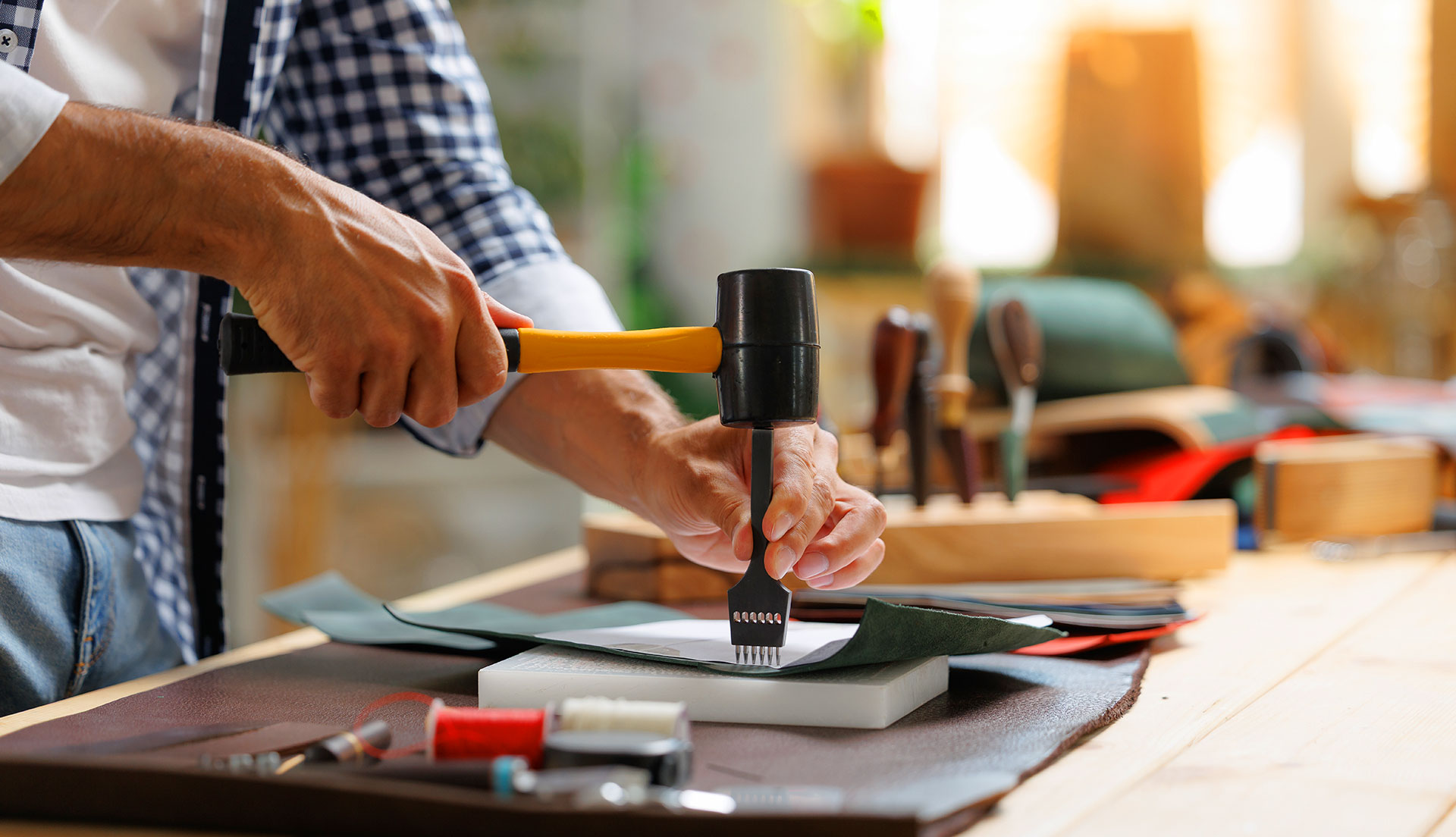
- Pricking irons — create evenly spaced stitch holes
- Stitching awls — punch through thick hides
- Needles and waxed thread — for saddle stitching
3. Edge and Finishing Tools
- Edge bevelers: round off sharp edges
- Burnishers: smooth and polish edges
- Slickers: used with gum tragacanth or beeswax for a glassy finish
4. Measuring and Marking Tools
- Dividers: for consistent measurements
- Creasers: add decorative lines
- Awl and scratch tools: mark cutting or stitching lines
Hobby Tools vs Professional-Grade Tools
This is where most beginners get tripped up. A cheap starter kit might work fine for a few small projects, but it often fails once you start working with thicker hides or more demanding stitching patterns. Steel quality, edge retention, and ergonomic design separate a tool that lasts a weekend from one that lasts a decade.
If you’re serious about leveling up your craft, it’s worth understanding workshop standards and how they influence tool performance, consistency, and long-term durability. Once you see the difference in materials and construction, it becomes obvious why professionals invest in higher-grade equipment.
How to Choose the Right Tool for Your Project
Not every project needs a full toolkit. Matching tools to your specific task saves money and prevents clutter in your workspace.
- Small leather goods (wallets, cardholders): skiving knife, pricking iron, edge beveler
- Bags and totes: heavier awl, wing dividers, stronger stitching thread
- Belts and straps: strap cutter, creaser, edge burnisher
- Tooling and stamping: swivel knife, mallet, stamping set
Maintaining Your Leather Working Tools
Good tools deserve good care. Here’s how to keep them performing at their best:
- Clean blades after every use to prevent leather oils from dulling the edge
- Store tools in a dry area to avoid rust, especially on carbon steel
- Sharpen edge bevelers and knives regularly using a strop
- Oil wooden handles occasionally to prevent cracking
A well-maintained tool doesn’t just last longer, it performs more consistently, which directly affects the quality of your stitches, cuts, and finishes.
Building a Tool Kit That Grows With You
Many crafters start small and expand their kit as their skills improve. Instead of buying everything at once, focus on essentials first, then add specialty tools as your projects demand them. This approach keeps your investment aligned with your actual skill level and creative direction.
Some crafters prefer curated toolkits, while others build a custom set piece by piece. Both approaches work, as long as each tool serves a clear purpose in your workflow.
Final Thoughts
Choosing the right leather working tool isn’t about buying the most expensive option available. It’s about understanding what each tool does, how it fits your specific projects, and how quality construction affects your results over time. Whether you’re a hobbyist or aiming for professional-level craftsmanship, investing in the right tools pays off in cleaner cuts, stronger stitches, and more polished final products.
FAQs
What is the most essential leather working tool for beginners?
A basic set including a cutting knife, pricking iron, and edge beveler covers most beginner projects effectively.
Do expensive leather tools really make a difference?
Yes. Higher-grade steel holds an edge longer, requires less maintenance, and produces cleaner, more precise results.
How often should I sharpen my leatherworking knives?
It depends on usage, but most crafters strop their blades every few projects and fully sharpen every few months.
Can I use the same tools for thick and thin leather?
Some tools work across both, but thicker hides often require sturdier awls, stronger thread, and heavier-duty cutting tools.
What’s the difference between hobby tools and professional tools?
Professional tools typically use superior materials, tighter tolerances, and better ergonomics, resulting in more consistent long-term performance.