


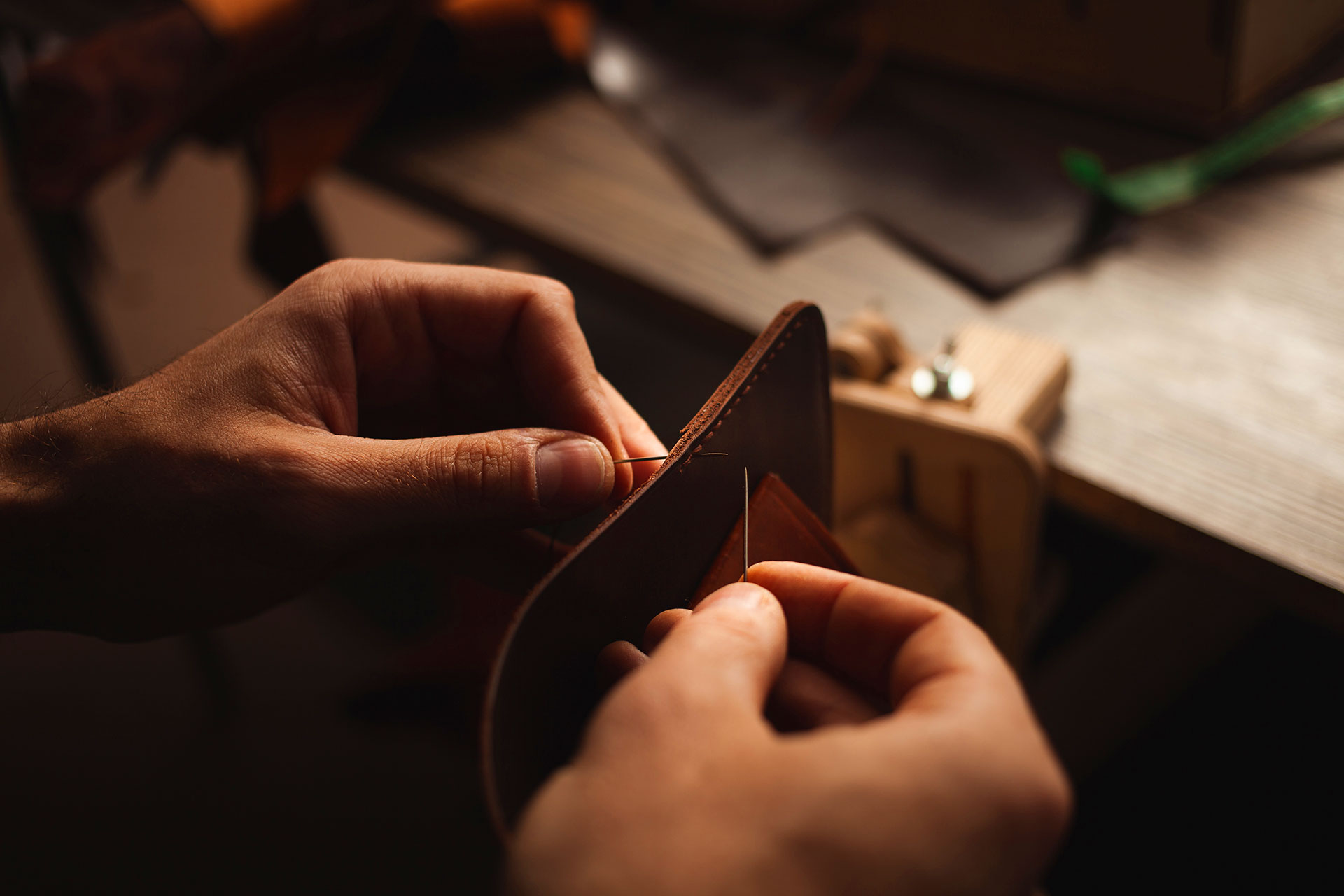
06 Jun Leather Stitching Tools: Build a Kit That Creates Heirloom-Quality Seams
Picture this: you’re holding a piece of vegetable-tanned leather, ready to transform it into a wallet, belt, or maybe even a saddle. The design is mapped out, the leather is cut, and now comes the moment of truth, the stitching. Without the right leather stitching tools, even the most beautiful project can unravel (literally). Whether you’re a weekend hobbyist or aspiring professional, the tools you choose will define the quality, durability, and beauty of every seam you sew.
What tools do you need for leather stitching?
Essential leather stitching tools include a stitching pony to hold your work, diamond pricking irons or a stitching chisel to mark holes, a stitching awl for piercing, harness needles, quality waxed thread, an edge beveler, and a wing divider to mark consistent stitch lines.
Why Hand Stitching Still Reigns Supreme
Machine stitching is fast, sure. But hand stitching using the traditional saddle stitch creates a seam that is virtually indestructible. If one stitch breaks, the entire line doesn’t come undone, unlike machine sewing.
This is why luxury brands, saddlers, and serious leather artisans still rely on the time-honored craft. And the secret behind every clean, professional-looking seam is a well-curated toolkit.
The Core Leather Stitching Tools Every Crafter Needs
Let’s break down the essentials. You don’t need to buy everything at once, but understanding what each tool does will help you build your kit intentionally.
1. Stitching Pony or Clamp
Think of this as your third hand. A stitching pony grips your leather firmly so you can use both hands to push needles through. Some crafters sit on theirs, while others mount them to a workbench. Either way, it’s a game changer for stitch consistency.
2. Pricking Irons and Stitching Chisels
These create the angled, evenly spaced holes that give hand-stitched leather its signature look. Pricking irons mark the leather lightly, while stitching chisels punch all the way through. Common spacing options include:
- 2.7mm for fine work like wallets and watch straps
- 3.0 to 3.38mm for bags, belts, and general goods
- 4.0 to 5.0mm for heavy-duty work like saddlery and holsters
3. Stitching Awl
A sharp, diamond-shaped awl blade is non-negotiable. It opens up your stitching holes cleanly and at the correct angle, producing those gorgeous slanted stitches that define quality leatherwork. A dull awl will ruin your seams faster than anything else.
4. Harness Needles
Unlike sharp sewing needles, harness needles have blunt tips. This prevents them from piercing the thread of the previous stitch as you work through pre-punched holes. You’ll always use two needles at once for the saddle stitch technique.
5. Waxed Thread
Linen, polyester, or braided nylon, each thread type offers different aesthetics and strengths. Pre-waxed thread is beginner friendly because the wax keeps stitches tight and prevents fraying.
Pro Tip: Match your thread thickness to your hole size. Thread that’s too thin looks sparse and weak, while thread that’s too thick won’t pass through cleanly and will distort your leather.
Supporting Tools That Elevate Your Stitching
Beyond the core kit, a few supporting tools make a noticeable difference in your finished product.
Wing Divider or Stitch Groover
These mark a consistent line where your stitches will sit, typically 3 to 4mm from the edge. A groover actually cuts a shallow channel so stitches sit flush, protecting them from wear.
Edge Beveler
Sharp 90-degree edges look unfinished. A beveler rounds those corners, preparing them for burnishing and giving your project a polished appearance.
Burnisher
Whether wooden, plastic, or canvas, a burnisher smooths and seals leather edges. Combined with beeswax or gum tragacanth, it produces that mirror-smooth finish you see on high-end goods.
Mallet or Maul
You’ll need this to drive your stitching chisels through the leather. A poly mallet or rawhide maul protects your tools and gives you controlled striking power.
How to Choose Quality Tools Without Overspending
Here’s the honest truth: cheap tools will frustrate you and produce inferior work. But you also don’t need to remortgage your house. Focus on a few principles when buying:
- Buy reputable brands for pricking irons and awls, the precision matters
- Save on consumables like thread and beeswax until you find favorites
- Invest in one excellent stitching pony rather than replacing a wobbly one twice
- Read reviews from experienced crafters, not just star ratings
If you’re building out your full leather workshop and want a deeper dive into everything beyond stitching, this guide on the essential tools for leather work walks through the complete crafting setup from cutting to finishing.
Common Mistakes Beginners Make with Leather Stitching Tools
We’ve all been there. Here are the pitfalls to avoid early on:
- Using too small a thread for the hole size, creating loose, ugly stitches
- Skipping the pony and trying to hand-hold leather while stitching
- Forcing dull awls through tough leather and ripping holes
- Inconsistent spacing because of rushed chisel placement
- Ignoring edge prep, which makes even great stitches look amateur
Building Your First Leather Stitching Kit
If you’re just starting out, here’s a sensible beginner setup:
Starter Kit
- Stitching pony
- 4mm stitching chisel (2 and 6 prong)
- Diamond awl
- Pack of harness needles
- Waxed polyester thread
- Poly mallet
- Edge beveler size 2
- Wooden burnisher
Intermediate Upgrades
- French-style pricking irons
- Premium linen thread
- Adjustable wing divider
- Multiple awl blade sizes
- Stitch groover
- Beeswax block
- Variable edge bevelers
Frequently Asked Questions
What is the difference between pricking irons and stitching chisels?
Pricking irons are designed to mark the leather surface and only partially penetrate, after which you use an awl to open each hole. Stitching chisels punch all the way through the leather, eliminating the need for an awl. Chisels are more beginner-friendly, while pricking irons offer more refined results.
Can I use regular sewing needles for leather?
No. Regular needles are too sharp and thin, and they’ll pierce your thread on previous stitches, ruining the saddle stitch technique. Always use blunt-tip harness needles designed for hand stitching leather.
What thread is best for leather stitching?
Waxed linen offers a traditional look and excellent durability. Waxed polyester is more affordable, beginner-friendly, and resistant to UV and moisture. Braided nylon is the strongest option for heavy-duty items like dog collars and saddlery.
How do I keep my stitches even and straight?
Use a wing divider or stitch groover to mark a consistent line from the edge, secure your leather in a stitching pony, and use chisels or pricking irons to ensure perfectly spaced holes before you ever pick up a needle.
Do I really need a stitching pony to get started?
While not absolutely required, a stitching pony dramatically improves your stitch quality, speed, and comfort. Trying to hold leather steady with your knees or table clamps leads to inconsistent results and sore hands.
Final Thoughts on Mastering Leather Stitching
Great leatherwork is the sum of small details, and stitching is where those details either shine or fall apart. By investing in proper leather stitching tools, learning to use each one correctly, and practicing patience, you’ll produce work that lasts generations. Start with the essentials, upgrade as your skills grow, and remember that even the masters were beginners once. The thread, the awl, the pony, these are your partners in craft. Treat them well, and they’ll reward you with every perfectly slanted stitch.